
Hey bestie, let’s cut to the chase—if you’re here, you probably have that same one go-to single color beauty sponge you’ve been using since forever, right? The one that’s been through foundation, concealer, maybe even that random bronzer you forgot about in the back of your makeup bag? If you’re like me, you’ve also been ignoring the weirdly squishy, slightly smelly gunk that builds up in it over time, instead just rinsing it once a month and calling it a day. Newsflash: that’s how you get breakouts, clogged pores, and makeup that looks weirdly patchy on your skin. As someone who’s been supplying single color beauty sponges for a minute now, I’ve talked to hundreds of customers who ask the exact same question: how the heck do I store this thing so it stays clean, lasts, and doesn’t turn into a bacteria playground? Let’s break this down—no fancy beauty jargon, just real, doable stuff that actually works.
First, let’s get one thing straight: your single color beauty sponge is not a makeup brush. Brushes can sit in a cup upside down for a week and be fine, but sponges? They’re porous. They soak up every single thing they touch—water, dirt, makeup residue, even the random dust bunnies under your sink if you leave them sitting on the counter. So storing it wrong is half the battle of keeping it clean. Let’s start with the biggest mistake people make: leaving it in its plastic packaging after opening. I know, I know—you rip that thing open, it’s squishy and perfect, and you toss the packaging, but that plastic is actually a barrier that keeps bacteria and dust out while you’re not using it. Once you take it out, that’s when trouble starts. If you just toss it in your makeup bag, it’s rubbing up against other makeup products, your phone (yes, that phone you never wash), and the side of your bag where all the crumbs from your lunch last week are. Gross.
Another huge no: leaving it on the edge of your sink or bathroom counter. Bathrooms are hot, humid, and damp—perfect breeding ground for mold and bacteria. I’ve seen people prop their sponge on the soap dish, set it next to their toothbrush, even leave it on the toilet tank. That is a one-way ticket to Gunk City, population: your face. Even if you clean it regularly, storing it somewhere damp will make it grow stuff way faster than you can rinse it out.
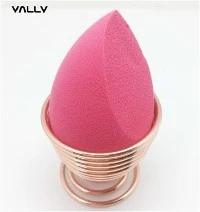
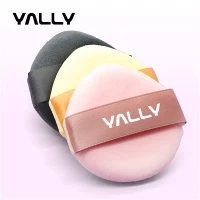
So what’s the right way to store it? Let’s start with the basics: you need a way to let your sponge dry completely after every use. Wet, closed sponges are a disaster—they stay damp, which is when bacteria love to party. I keep a little silicone sponge holder on my counter (not the one with the holes at the bottom that traps water, though—get one with slots or a rack that lets air circulate all around it) and that works fine for daily use. But if you’re traveling or storing multiple sponges, you need something that keeps them separate and dry. Oh, and pro tip: if you have multiple single color beauty sponges, don’t just toss them all in a drawer together. They rub against each other, transfer makeup, and don’t dry properly. If you’re a busy girl who uses more than one, grab a mesh bag or individual mesh holders so air can get to every side.
Wait, but what about specific types of sponges? Not all single color beauty sponges are the same, right? I supply a bunch of different styles, because I know what works for different makeup jobs. Let’s say you’re using a precision one for concealer—like our Makeup Blender For Concealer, that tiny little sponge that gets in the under eyes and around the nose. That’s way smaller, so it’s easier to lose, but also easier to stow somewhere safe. I keep mine in the pocket of my makeup bag that’s just for small beauty tools, so it doesn’t get squished by my foundation bottles. Then there’s our Big Beauty Sponge Blender In Teardrop Shape, which is huge and perfect for blending all over your face and even your neck (yes, neck makeup is a thing, don’t @ me). That one’s too big for a small pocket, so I have a little slot on the side of my vanity where I stand it upright so it dries all the way through—no weird damp spots in the middle.
Oh, and my personal favorite for foundation? The Beveled Makeup Blender Latex Free sponge. The beveled edge makes it so easy to blend into the sides of your nose and your jawline, but because it’s a little more structured than the teardrop ones, I keep it in a small, breathable case when I’m not using it daily. Not the hard plastic case—those trap moisture. Get a soft mesh or fabric drawstring bag, so air can flow through but it’s protected from dust. That way, when I reach for it to do my makeup, it’s not covered in dust from my drawer.
Wait, let’s talk about how often you actually need to clean it, because that ties right into storage. I know some people who use the same sponge for weeks and only wash it when it starts to smell. Don’t do that. I tell everyone: if you’re using it daily, wash it every 2-3 days. If you only use it for special occasions, once a week. And after washing? Don’t just set it anywhere—squeeze out all the excess water (gently! Don’t twist it like a wet towel, that can damage the sponge and make it fall apart faster) and stand it upright so all the water runs out. If you lay it flat, the water sits in the center, turning your perfect sponge into a mold magnet. That’s such a simple mistake, but it makes such a big difference.
Another thing I see people mess up: storing a wet sponge. No matter how tired you are, do not toss your damp sponge into your makeup bag at the end of the night. I’ve had customers come back and say their sponge grew black spots inside, and 9 times out of 10, they just threw it in their bag wet and left it there for 3 days. If you’re running late and don’t have time to let it dry, toss it in a paper towel to soak up excess water and then in a mesh bag—no closed plastic, please. If you’re traveling for more than a day, bring a separate holder for it, and when you get home, wash it immediately. Don’t let it sit in your bag for a week, trust me.
Wait, what about cleaning products? I don’t use that fancy $20 makeup sponge cleanser you see on TikTok. I just use regular mild hand soap—like the kind you use to wash your hands. It’s gentle, doesn’t leave residue, and works just as well. And when you store it, make sure it’s 100% dry before you put it away. I learned that the hard way last year— I had a teardrop sponge I’d been using for foundation, I washed it and set it on the counter, but I forgot it was under my coffee mug for 2 days. When I finally moved it, there was a tiny black mold spot in the middle. I threw it away, obviously, and now I always make sure my sponges are fully dry before I stow them.
Let’s also talk about how storage affects the lifespan of your sponge. A good single color beauty sponge should last you about 3 months, right? If you store it wrong, it’ll fall apart in a month, and you’ll have to buy a new one way more often, which is a waste of money. I’ve had customers who told me their sponges lasted 6 months because they stored them right, and others who said theirs fell apart after a week because they left it in their shower caddy. (Pro tip: don’t store it in the shower, either.) That’s such a simple way to save cash—just a little effort in storage goes a long way.
Oh, and if you’re a fan of our mini sponges? Like the egg shape blending beauty sponge, those tiny little ones perfect for touch-ups on the go. I keep mine in a separate little tin on my vanity, because they’re so small they get lost easily. And since they’re tiny, they dry way faster than the big ones, so I just pop them in the tin after use (make sure they’re dry first!) and they’re good to go. I take them in my purse for when I need to touch up my concealer mid-day, and they never get dirty because they’re stored properly.
Wait, let’s address another myth: you should never let your sponge touch water that’s not clean. Well, duh, but that applies to storage too. If you’re keeping it in a holder on your counter, make sure the holder is clean. I wash my silicone sponge holder every week with soap and water, because it gets makeup residue and dust buildup on it, which can transfer back to the sponge. If you have a case or a bag for your sponges, wash that too every few weeks. It’s not just the sponge that needs cleaning—what you store it in does too.
I get it, it’s easy to be lazy about this. Makeup is supposed to be fun, not a chore, but taking 10 extra seconds to store your single color beauty sponge the right way will save you from breakouts, weird makeup texture, and having to replace your sponge every other week. It’s worth it, trust me.
If you’re in the market for new single color beauty sponges, I’ve got you. Whether you need a small one for concealer, a big one for all-over blending, a beveled one for precise application, or even a mini one for touch-ups, I’ve got all the styles you need. We make all of our sponges latex-free, because I know how important that is for sensitive skin. If you’re a makeup artist or a beauty brand looking to stock up, reach out to me for wholesale pricing and bulk orders. I’m here to help you keep your sponges clean and your makeup looking flawless.
References:


- American Academy of Dermatology. (2022). "Makeup Product Hygiene: How to Keep Your Tools Clean and Prevent Breakouts."
- Journal of Cosmetic Dermatology. (2021). "Microbial Contamination of Cosmetic Sponges and Associated Skin Reactions."
- International Journal of Environmental Research and Public Health. (2020). "Humidity and Moisture as Key Factors in Microbial Growth on Cosmetic Tools."
- The Beauty Blender Institute. (2023). "Best Practices for Storing Beauty Sponges to Extend Lifespan."