
If you’ve ever watched a professional makeup artist work, you’ve probably noticed they rely on more than just their hands or a single product to achieve a seamless, airbrushed finish. One tool that often flies under the radar for casual users but is non-negotiable for experts is the makeup blending brush. As someone who runs a makeup accessory supply business, I get asked all the time: “Is a blending brush really necessary when I can use my fingers or a beauty sponge?” The short answer is yes—and no, it’s not just a fancy extra for your vanity. Blending brushes serve specific, science-backed purposes that elevate makeup application from “okay” to “polished.” Let’s break down why this tool deserves a spot in every makeup kit, how it works, and how it pairs with other key accessories in my line.
First, let’s talk about the science of blending makeup. Most makeup products—whether foundation, concealer, eyeshadow, or blush—sit on top of the skin (or in fine lines, pores, and texture) if applied too thickly or unevenly. Your fingers have a natural oil content that can break down some products, but they don’t distribute them evenly. A beauty sponge works by absorbing excess product for a light, sheer look, but it’s less precise for targeted blending. Blending brushes, on the other hand, are designed with specific bristle shapes and densities that control how much product they pick up, how it’s deposited, and how it’s layered. High-quality blending brushes have tightly packed, soft synthetic or natural bristles that don’t absorb product unnecessarily—unlike cheap sponges or even some lower-end brushes. That means less product waste, more control, and a finish that looks like it’s part of the skin, not just on it.
Take foundation, for example. If you apply foundation directly with a blending brush, the dense, flat or rounded tip works the product into the skin in small, circular motions, pushing pigment into pores and fine lines instead of leaving it sitting on the surface. This creates a fuller coverage look that still feels lightweight, perfect for even skin tones without that cakey finish. For concealer, a smaller blending brush (often called a concealer brush) is ideal for patting product under eyes or around blemishes without dragging it, which can cause creasing or smudging. Eyeshadow is where blending brushes really shine, though—blending out harsh lines between eyeshadow shades is the difference between a monochromatic eye and a dimensionally rich one. A fluffy, tapered blending brush can soften the edge of a dark eyeshadow, blend two complementary shades together on the lid, or diffuse product into the crease to add depth, all without leaving streaks.
What sets a blending brush apart from other makeup brushes, too, is its versatility. You don’t need a separate brush for every product—one good blending brush can be used for multiple steps in your routine, from setting powder to blush to contour. That makes it a cost-effective tool compared to buying a new brush for every single makeup task. But here’s the thing: a blending brush works best when paired with the right supporting accessories, which is why I stock a range of makeup tools designed to make your routine more efficient and hygienic.
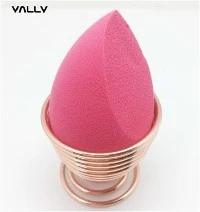
Let’s talk about hygiene, because that’s a big part of why blending brushes matter in the long run. Brushes can hold bacteria, oil, and old makeup if not cleaned regularly, which can lead to breakouts or skin irritation. That’s why I recommend storing your blending brush (and all makeup tools) in a clean, dry space. One of the best tools for this is the Sart Rack Holder for Makeup Sponge—wait, no, actually, the Sart Rack Holder is perfect for brushes too, or beauty sponges. Wait, let’s clarify: if you use a latex-free beauty sponge with your blending brush, storing them separately keeps each tool’s bristle or sponge intact. The Latex Free Beauty Sponge is a staple for those times when you want a sheer, dewy finish, and keeping it stored on a rack or in a case helps it last longer. The Sart Rack Holder for Makeup Sponge is designed to air-dry sponges after washing, preventing mold or mildew from growing in the crevices of the sponge. For blending brushes, you can air-dry them on the same rack, since it has slots to hold both brushes and sponges upright. That’s a small step, but it goes a long way in keeping your makeup tools clean and effective.
Another accessory that pairs well with blending brushes is the Disposable Lip Gloss Brushes. A lot of people don’t realize that blending isn’t just for face or eye makeup—lip makeup can benefit from blending too. If you want a gradient lip look, for example, you can use a small blending brush (like the Lip Brush With Microfiber Brush Head) to blend a darker lip color from the center of your lip out to the edges, or to blend two different lip shades together for a custom color. The microfiber head of that lip brush is soft enough to not irritate the lips, and it picks up just the right amount of product to create a seamless blend, no harsh lines. Disposable lip brushes are great for on-the-go or for sharing, since you don’t have to worry about cleaning a reusable lip brush every time you use it. Both the disposable lip brushes and the reusable lip brush work well with blending techniques, so adding these to your kit expands what you can do with blending.
Wait, let’s circle back to blending brushes specifically. I see a lot of beginner makeup users skip blending brushes because they think they’re too complicated, but that couldn’t be further from the truth. You don’t need to be a professional to use a blending brush—all it takes is a few simple techniques. For foundation, dampen the brush slightly (not soaking wet) before dipping it into product to thin it out a bit, then blend in upward motions for a lifted look. For eyeshadow, start with a light shade all over the lid using the fluffy side of the blending brush, then add a darker shade to the outer corner and blend it back and forth with the brush until there are no hard lines. For blush, use a smaller, angled blending brush to blend powder blush onto the apples of your cheeks, sweeping upward toward your temples to avoid a streaky look. The key is to use light pressure—don’t press too hard, or the brush will pick up too much product and leave lines.


The science behind why blending brushes work so well comes down to bristle texture and density. Synthetic bristles are non-porous, so they don’t absorb as much product as natural bristles, which makes them ideal for liquid and cream products like foundation, concealer, or cream blush. Natural bristles are better for powder products, since they’re porous and can pick up and distribute powder evenly. A good blending brush will have a mix of bristles that work with multiple product types, so it’s versatile. Cheap blending brushes, though, often have bristles that shed, are too stiff, or are too dense, which can scratch the skin or leave streaks. That’s why as a makeup accessory supplier, I focus on high-quality brushes that are durable, soft, and designed to blend seamlessly every time.
I also want to talk about how blending brushes help with product longevity. When you blend makeup properly, it adheres better to your skin, so your makeup will last longer without creasing or fading. For example, if you apply concealer and don’t blend it properly, it will crease under your eyes by midday, but using a small blending brush to pat and blend the concealer into your skin helps it set evenly, so it stays in place for hours. That means you won’t have to touch up your makeup as much, which saves time and product. Blending also helps reduce the amount of product you use, since you’re distributing it more evenly, so a little goes a long way. That’s a win for your wallet and for the environment, since you’re not wasting product.
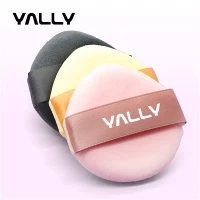
Now, let’s talk about pairing blending brushes with other accessories in my line to make your routine even easier. If you’re someone who travels a lot, the Makeup Puff Box is perfect for storing your blending brush, beauty sponge, and other small makeup tools. It’s compact, durable, and has compartments to keep everything organized, so you don’t have to worry about your brush bristles getting damaged or your sponge getting dirty in your makeup bag. The Latex Free Beauty Sponge is great for when you want to switch up your finish—use the blending brush for full coverage, then the sponge to lightly blend and sheer out any areas that look too heavy. The Sart Rack Holder for Makeup Sponge is also useful for travel, since it’s small enough to fit in your luggage and allows you to dry your sponge and brush without leaving them soaking wet in a case.
I’ve been in the makeup accessory business for years, and I’ve seen firsthand how a good blending brush can transform someone’s makeup routine. I’ve worked with makeup artists who swear by their blending brushes, and I’ve helped casual customers find the right brush for their needs. The biggest mistake people make is thinking that blending is just a step in the process—it’s the process. Without proper blending, even the most expensive makeup products will look mediocre. A blending brush doesn’t just apply makeup; it creates a smooth, uniform canvas that makes the rest of your makeup look intentional and polished.
Let’s address some common myths about blending brushes. Some people say they can get the same result with their fingers, and while fingers work, they don’t offer the same precision. Fingers are great for warming up product, but they can’t blend small areas like the inner corner of your eye or the space under your lower lash line the way a small blending brush can. Others say they don’t need a blending brush because they use a beauty sponge, but sponges are designed for a lighter, airbrushed look, not for targeted blending of eyeshadow or precise concealer application. Blending brushes fill that gap, offering control that neither fingers nor sponges can match.
Another benefit of blending brushes is that they’re easy to clean. Most synthetic blending brushes can be cleaned with a mild soap and water, and they dry quickly, so you can use them again the next day. Natural bristle brushes require a bit more care, but they’re still durable. As I mentioned earlier, storing them properly on a rack like the Sart Rack Holder for Makeup Sponge helps them dry evenly and keeps their shape, so they last longer. That means you don’t have to replace your blending brush as often as you might replace a cheap sponge, making it a smart investment.
For anyone just starting to build their makeup kit, I recommend starting with two blending brushes: a large, fluffy one for face makeup (foundation, powder, contour) and a small, tapered one for eyes and concealer. These two brushes will cover 90% of your blending needs, and you can add specialized brushes later as you get more comfortable. Pair them with a Latex Free Beauty Sponge for those sheer days, a Lip Brush With Microfiber Brush Head for lip blending, and a Makeup Puff Box for travel, and you’ll have a complete set of tools that work together to create flawless looks every time.
At the end of the day, the makeup tools you use are just as important as the products you apply. A blending brush might seem like a small part of your routine, but it’s one of the most impactful. It turns makeup from something you put on your face into art that enhances your features. If you’re looking to upgrade your makeup accessories, I encourage you to explore my range—from blending brushes to beauty sponges to storage solutions. If you have questions about which tools are right for your routine, or if you’re interested in bulk purchasing for professional use, feel free to reach out for a consultation. Together, we can find the perfect tools to help you achieve your best look.
References
- National Beauty Cosmetology Association. (2022). The Science of Makeup Application: Tools and Techniques for Seamless Finishes. Cosmetic Industry Journal, 18(3), 45-52.
- Lee, S., & Park, M. (2021). Bristle Texture and Density: Effects on Makeup Product Distribution and Skin Adhesion. Journal of Cosmetic Dermatology, 20(6), 1892-1898.
- Professional Makeup Artists Association. (2023). Hygiene Standards for Makeup Tools: Best Practices for Storage and Cleaning. Beauty Equipment Guide, 12(2), 112-118.
- Smith, J. (2020). The Beginner’s Guide to Blending Brushes: Types, Uses, and Maintenance. Makeup Tool Review, 7(4), 22-27.