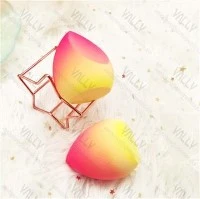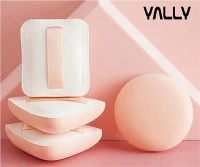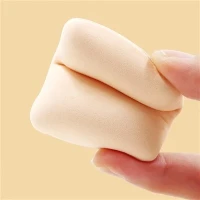

Properly holding a makeup puff is an art that can significantly enhance your makeup application process. As a makeup puff supplier, I've witnessed firsthand how the right holding technique can transform the way makeup is applied, leading to a more flawless and professional finish. In this blog, I'll delve into the science and art of holding makeup puffs correctly, and also introduce some of our high - quality products that you can use to put these techniques into practice.
Understanding the Basics of Makeup Puffs
Makeup puffs come in various shapes, sizes, and materials. Each type is designed for a specific purpose, and the way you hold them can impact their effectiveness. We offer a wide range of makeup puffs, such as the Rubycell Powder Puff Like Marshmallow, which is soft and excellent for powder application, and the Super Soft Marshmallow Air Cushion Puff, perfect for using with air - cushion foundations.
Types of Puffs and Their Functions
- Round Puffs: These are the most common type. They are great for general powder application across the face, including the forehead, cheeks, and chin. A round puff distributes powder evenly and can cover a large area quickly.
- Angled Puffs: Angled puffs are designed to reach hard - to - reach areas, such as the corners of the nose or under the eyes. Their shape allows for more precise application.
- Flat Puffs: Flat puffs are ideal for applying and blending liquid foundations. They can be pressed against the skin to create a smooth, even finish.
The Right Way to Hold a Makeup Puff
for Powder Application
When using a powder puff, like our Rubycell Powder Puff Like Marshmallow, start by wrapping your middle and ring fingers around the puff. Place your thumb on one side of the puff and your index finger on the other. This grip gives you good control and allows you to dip the puff into the powder evenly.
Once you've picked up the powder, use a gentle patting motion on the skin. Avoid rubbing, as this can cause the powder to cake or look uneven. Pat the puff onto the areas of the face where you want to set your makeup, such as the T - zone or under the eyes.
for Liquid and Cream Products
For air - cushion or liquid foundations, using a puff like our Super Soft Marshmallow Air Cushion Puff requires a different approach. Hold the puff between your thumb and index finger, with the rest of your fingers curled slightly. This gives you a more delicate touch and better control when pressing the puff onto the skin.
Start by dabbing the puff into the product. Then, press the puff onto the skin using a gentle, bouncing motion. This helps to blend the product into the skin and gives a natural, seamless finish. Avoid dragging the puff across the skin, as it can tug on the skin and create streaks.
for Blending and Buffing
When it comes to blending and buffing, our Velvet Makeup Puff or other similar puffs can be very useful. Hold the puff firmly with your thumb, index, and middle fingers. Use a circular motion to blend the edges of makeup products, such as concealer or blush. This technique helps to create a smooth transition between different makeup layers and gives a more professional look.
for Precision Work
For precision work, such as applying makeup in small areas or around the eyes, a smaller puff like the Desserts Makeup Blending Puff New Desgin comes in handy. Hold the puff between your fingertips, almost like you're pinching it. This allows for very fine control and precise application. You can use this method to apply highlighter to the cupid's bow or to correct small makeup mistakes.
Factors Affecting the Holding Technique
Material of the Puff
The material of the makeup puff affects how you hold it and how the makeup is applied. Synthetic materials, like those in our Flower Shape Makeup Sponge Powder Puff, are often porous and can absorb a lot of product. When using a synthetic puff, you may need to hold it more firmly to control the amount of product being released and to ensure even application.
On the other hand, natural - fiber puffs, such as those made from cotton, are softer and more absorbent. They require a gentler touch when holding, as they can soak up a large amount of makeup if pressed too hard.
Personal Preference
Personal preference also plays a role in how you hold a makeup puff. Some people find it more comfortable to hold the puff with a loose grip, while others prefer a tighter one. Experiment with different holding techniques to find what works best for you in terms of control, comfort, and the final makeup result.
Tips for Maintaining the Puffs
Proper maintenance of your makeup puffs is crucial for both hygiene and performance. Here are some tips:
- Regular Cleaning: Wash your puffs after every few uses. Use a mild soap or a dedicated makeup - puff cleaner. Gently squeeze and rinse the puff under lukewarm water until the water runs clear.
- Drying: After washing, reshape the puff and let it air dry in a well - ventilated area. Avoid using a hair dryer or other sources of direct heat, as this can damage the puff.
- Storage: Store your puffs in a clean, dry place. You can use a makeup bag or a container to keep them protected from dust and dirt.
Conclusion
Holding a makeup puff correctly is a skill that can make a big difference in your makeup application. By understanding the different types of puffs, the appropriate holding techniques for each, and the factors that affect these techniques, you can achieve a more polished and professional makeup look.


As a makeup puff supplier, we are committed to providing high - quality puffs that meet your makeup needs. If you're interested in exploring our product range further or have any questions about makeup puff use, feel free to contact us to discuss your procurement needs. We're here to help you find the perfect makeup puffs for your makeup routine.
References
- "The Art of Makeup Application", a makeup artistry guidebook.
- Industry research on makeup puff materials and usage.