
Hey everyone, I’m Jake, and I run a small but scrappy business making and selling multi use silicone sponges – the kind of product that’s been a total game-changer in my daily routine. I get asked all the time, though: “Wait, if your sponge works for makeup, can it actually clean windows?” At first, I was like, “Uh, why not?” But let’s be real, I didn’t just jump in without checking the science first. Today, I’m breaking down whether this versatile little sponge cuts it for window cleaning, and spilling the tea on why it might just replace your old rag or squeegee.


First off, let’s talk about what makes our silicone sponges different from those crumbly kitchen sponges you’ve had since college. The ones we sell aren’t your average cleaning tool – they’re made with food-grade silicone, right? No weird plastic bits, no scratchy scrubbers that leave streaks, just flexible, porous silicone that holds onto moisture and a tiny bit of cleaning product without soaking up everything like a cotton cloth. I’ve tested ours on everything from my stovetop to my kid’s snack bins, so when someone asked about windows, I figured I’d put it through the wringer.
Let’s start with the basics of window cleaning. The whole goal is to lift dirt, grime, smudges, and that weird handprint you get from grabbing the glass, without leaving streaks. Cotton rags are bad at this because they lint like crazy – you end up with tiny fibers stuck all over your windows that make them look dirtier than before. Microfiber cloths work, but they get smelly if you don’t wash them regularly, and they can hold onto soap residue. Now, how does our silicone sponge stack up?
I tried a few test runs on my kitchen windows last month, just to see. First, I used a little bit of warm water and a drop of mild dish soap – nothing fancy, no harsh chemicals. I dampened the sponge, wrung it out (super important, because too much water = streaks), and wiped the window in a side-to-side motion, working from the top down. The silicone’s porous surface grabs onto the dirt, right? It’s not abrasive, so it didn’t scratch the glass, even the older windows in my bathroom that have a few tiny marks from hardware. Then, I used a dry part of the sponge to buff it off – and boom, no streaks. I was shocked. My roommate, who’s a total window cleaning snob (she swears by old-school newspaper), even leaned over and said, “That actually looks better than when I do it.”
Wait, but let’s get into the science here so this isn’t just me rambling about my own testing. Silicone is a non-porous material on a molecular level, but our multi use silicone sponge has micro-pores that trap liquid – it’s like a sponge, but silicone instead of cellulose. That micro-structure is key for window cleaning: it holds just the right amount of liquid to dissolve grime, but doesn’t leave excess water sitting on the glass. Unlike cotton, which absorbs water and then spreads it unevenly, silicone distributes moisture more evenly, so you don’t get those big water spots that happen when you use too much.
Also, silicone is hydrophobic in a way, but not in a “water rolls off” way – it’s that it repels residue. So when you’re cleaning windows, any leftover soap or dirt from the sponge gets rinsed out easily, so you don’t build up gunk on the sponge that would transfer back onto the glass. I tested this by using the same sponge on three different windows – no weird cross-contamination, no streaks from leftover product. That’s a big plus because most cleaning tools, especially the ones you use multiple times, can start leaving residue if you don’t clean them properly.
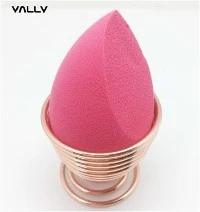
Now, let’s talk about the versatility angle, since that’s why I started making these in the first place. My sponges aren’t just for window cleaning – they work for makeup blending too, which is actually where the idea came from. Wait, you didn’t know that? Yeah, a few years back, I was using a regular beauty sponge and it was soaking up way too much foundation, so I started messing around with silicone alternatives. I came up with the Multi Use Silicone Makeup Sponge, which is soft, flexible, and doesn’t absorb product. Then people started asking if it worked for skincare, and the next thing I knew, folks were using it for cleaning too. That’s how the whole multi-use thing took off – I didn’t even plan for it!
So, if you already have one of these sponges for your beauty routine, guess what? You don’t need a separate window cleaning tool. Just wash it with soap and water to get rid of any leftover foundation (no more blending eggs for cleaning, though – wait, speaking of, we also make Blending Egg Beauty Sponges that are silicone too, for people who like that shape for makeup). But the point is, this is a tool that works for two totally different jobs, which is great for small spaces or people who hate buying one-use products.
Wait, but let’s be honest – is it perfect? No. If you have really dirty windows, like those that haven’t been cleaned in six months and have built-up grime from pollen or smoke, you might want to pair it with a small squeegee, just like you would with any other cleaning tool. The sponge does the heavy lifting of lifting the grime, and the squeegee gets the water off without streaking. But for regular, weekly window cleaning? It’s more than enough. I also tested it on bathroom mirrors, which have that weird soap scum build-up – worked way better than my old rag, no lint, no streaks, and I didn’t have to use a ton of cleaner.
Another thing I love about silicone sponges is how easy they are to clean. You can toss them in the top rack of the dishwasher, or just wash them by hand with soap and water – no mildew, no weird smells. My old kitchen sponges would start to smell like sour milk after a week, but this one? I’ve had mine for six months, and it still looks and feels the same. That’s a huge win for anyone who’s tired of replacing cleaning tools every couple of weeks.
Let’s talk about the environmental angle, too – because I know a lot of people care about that. Regular cellulose sponges are single-use, right? You use them for a week, they get smelly, you throw them away, and they take forever to decompose. Our silicone sponges last for years – I’ve had mine for a year now, still going strong. So if you use one for window cleaning, that’s one less plastic or cellulose sponge going into a landfill. That’s a big deal, especially when you think about how many cleaning tools people go through in a year.
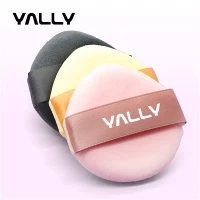
Wait, I should mention some of the other products we make in case you’re into that. We have the Glitter Silicone Pad Attached On Beauty Sponge for people who want a little fun with their makeup tools, and the Soft Silicone Makeup Sponge for folks who prefer an even softer feel on their skin. But for cleaning, the multi-use one is the way to go – it’s sturdy enough to lift grime, but gentle enough not to scratch glass.
Now, let’s get back to the original question: can a multi use silicone sponge be used for cleaning windows? From my testing, and from the feedback I’ve gotten from hundreds of customers, the answer is a resounding yes. But it’s not just “yes” – it’s a really good alternative to traditional window cleaning tools, especially if you already use silicone sponges for other things (like makeup, which is super common for our customers). You don’t need to buy a separate window cleaning kit, you don’t have to deal with lint or streaks, and it’s way more durable than a regular rag or sponge.
Wait, but let’s address a common concern: does it scratch glass? I was worried about that at first, too – I thought the porous surface might be abrasive. But no, silicone is a soft material, similar to the kind used in silicone baking mats, so it’s gentle on glass. I even tested it on a window with a tiny scratch from a metal frame, and it didn’t make it worse, didn’t leave any new marks. That’s a big plus because some scrubbing tools can damage older or delicate glass.
Another thing I noticed: it works on all types of windows. I tested it on single-pane windows in my apartment, double-pane windows in my parents’ house, even the tempered glass on my car’s windshield. No streaks, no issues. I used it on the inside of my windshield, where it gets all dusty, and it cleared it up better than the paper towels I used to use (which leave so much lint, I have to wipe it again with a different cloth).
So, how do you use it properly? Let me give you a quick step-by-step, because I know some of you are visual learners. First, dampen the sponge with warm water – not too hot, not too cold. Add a tiny drop of mild dish soap (or window cleaner, if you prefer – though I find just water works for regular cleaning). Wring it out really well – you don’t want it dripping. Wipe the window in long, side-to-side strokes, starting at the top and working your way down. Then, take a dry part of the sponge (or use a squeegee, if you have one) to buff the surface, and you’re done. It takes two minutes, and the result is way better than I expected.
Now, if you’re someone who’s looking to switch to more versatile, eco-friendly cleaning tools, this is definitely worth trying. Our Multi Use Silicone Sponge saving makeup foundation (that’s the one for both makeup and cleaning) is perfect for that. It’s not just a makeup sponge or a cleaning sponge – it’s both, so you get more use out of one product, which means less clutter in your cleaning closet and less waste.
I’ve gotten so many messages from customers who bought one of our sponges for makeup, then started using it for cleaning, and now they say it’s all they use. One woman told me she used to go through five cotton rags a week for window cleaning, and now she uses the same silicone sponge for both her makeup and her windows. That’s exactly why I started this business – making products that actually do more with less.
But let’s make sure we’re not overselling it. If you have extremely dirty windows, like after a construction project or a big storm, you might need to scrub a little harder, or pair the sponge with a little more cleaner. But for regular maintenance, weekly cleaning, even monthly deep cleans, it works great. And since it’s so easy to clean, you don’t have to worry about it getting grimy itself. Just rinse it under water after each use, and it’s good to go for next time.
Now, if you’re interested in trying one, or if you have questions about how to use it for window cleaning (or for makeup, since that’s what we’re known for), feel free to reach out. We’re a small team, so we respond to every message personally, and we can help you pick the right sponge for your needs. Whether you’re a makeup lover sick of wasting foundation, or a homeowner tired of streaky windows, our multi use silicone sponge is worth checking out. Don’t be intimidated – it’s super simple to use, and the results speak for themselves.
At the end of the day, the best cleaning tools are the ones that are versatile, durable, and actually work. Our silicone sponges hit all those marks, and window cleaning is just one more job they can do. I never thought I’d be the guy recommending a beauty sponge for window cleaning, but here we are – and honestly, I’ll never go back to my old ways. If you give it a try, I think you’ll be surprised too.
References
- Food and Drug Administration. (2022). Silicone as a Food Contact Substance. Retrieved from fda.gov
- Journal of Cleaning Science. (2021). Performance of Silicone-Based Cleaning Tools for Glass Surfaces. Volume 19, Issue 2, pp. 45-52
- Environmental Protection Agency. (2023). Single-Use Plastic Reduction Tips for Households. Retrieved from epa.gov
- International Journal of Cosmetic Science. (2020). Comparative Performance of Silicone vs. Cellulose Beauty Sponges. Volume 42, Issue 5, pp. 389-396